













The news says Japan intervened in the currency market, but it is not obvious who decided it, what was traded, or how it affects a trading account.
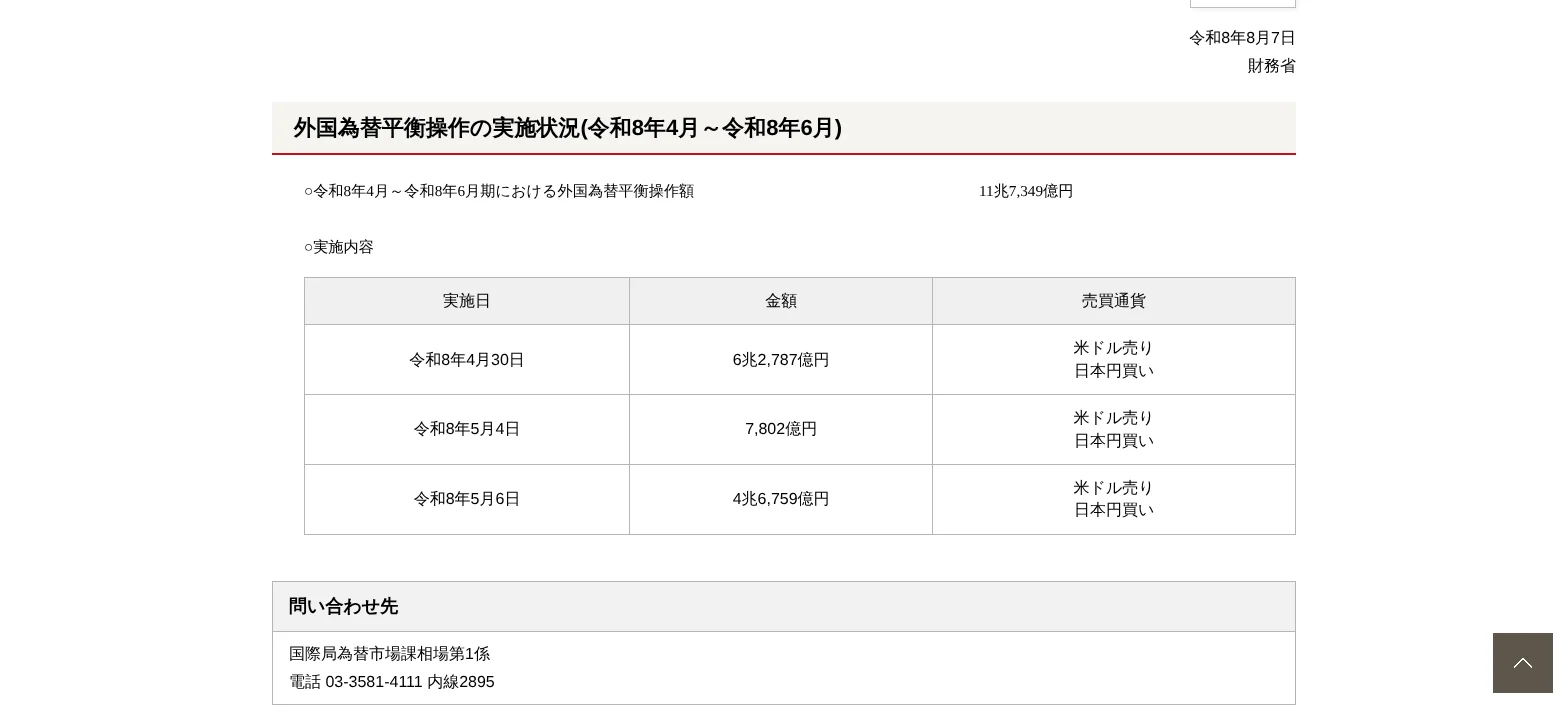
A currency intervention is a currency trade that the Bank of Japan carries out on the Finance Minister's decision. In 2026, Japan bought JPY 11.7349 trillion of yen on three days from 30 April to 6 May, and the total for 30 July to 26 August reached JPY 15.3993 trillion.
Every figure was checked against Ministry of Finance and Bank of Japan publications (30 October 2026). By the end you will know what can happen to an offshore FX account on an intervention day and which conditions to check first.
Short answer: the BOJ trades currency on the Finance Minister's call
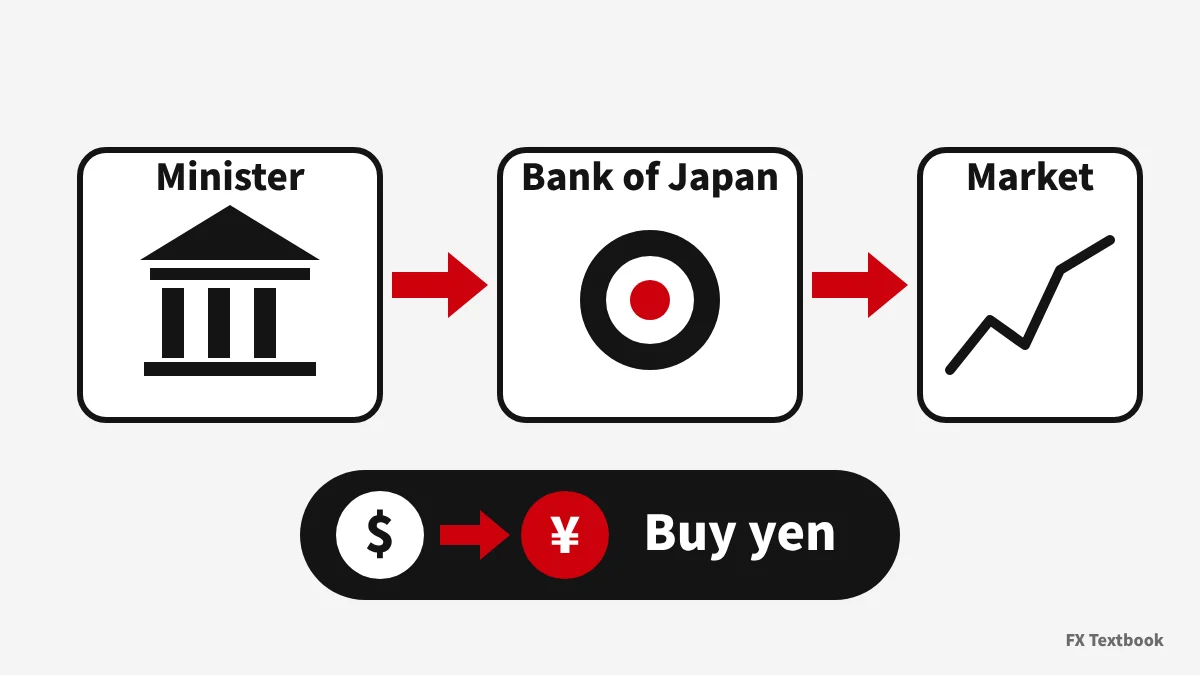
- The official name is foreign exchange equalization operations. The aim is to calm sudden swings
- The Finance Minister decides; the Bank of Japan trades as the minister's agent
- The money comes from the Foreign Exchange Fund Special Account (FEFSA) run by the MOF
- The MOF publishes results: totals about monthly, dates and amounts quarterly
- On offshore FX accounts, spreads can widen, stops can slip and stop-outs can happen
Who decides and who carries out an intervention
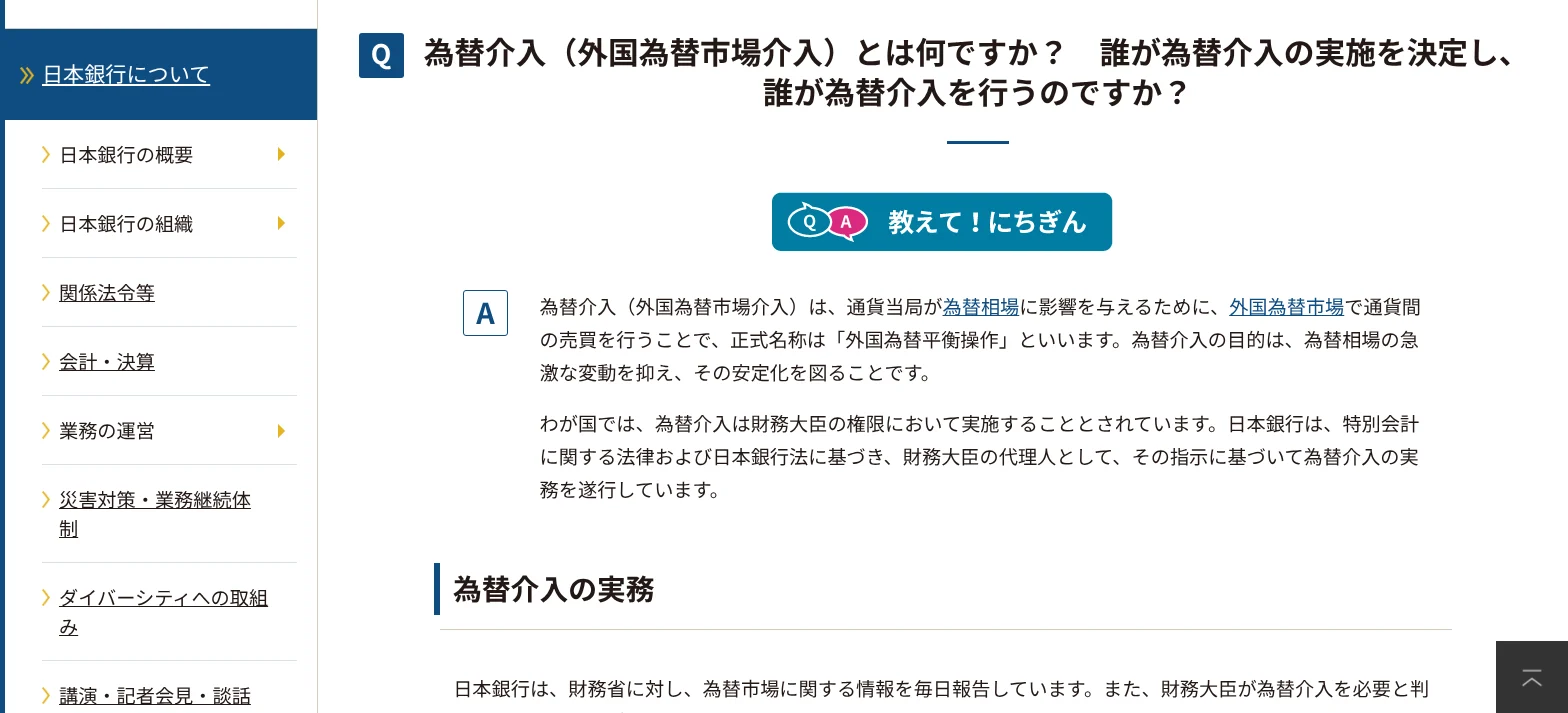
The Bank of Japan describes an intervention as currency trading by the monetary authorities to influence exchange rates. The authority lies with the Finance Minister, and the BOJ carries out the trades as the minister's agent.
| Who | Role | Legal basis or source |
|---|---|---|
| Finance Minister | Decides whether to intervene | Foreign Exchange and Foreign Trade Act, Art. 7(3) |
| MOF Foreign Exchange Markets Division | Gives the BOJ specific instructions | BOJ intervention outline |
| BOJ Foreign Exchange Division | Trades in the market | Bank of Japan Act, Art. 40(2) |
Four steps from daily reporting to trade
- 01The BOJ reports every day
The BOJ sends daily foreign exchange market information to the MOF's markets division.
- 02The minister decides
When rates move sharply and the minister decides to intervene, the MOF informs the BOJ.
- 03The BOJ supplies market input
The BOJ tells the MOF what is driving rates and other market information.
- 04The MOF instructs, the BOJ trades
The MOF gives specific instructions and the BOJ trades. The approach may be adjusted as the market reacts.
Four forms of intervention
| Form | What it means |
|---|---|
| Intervention by the BOJ | The BOJ trades with FEFSA money on the minister's instructions |
| Delegated intervention | The BOJ asks a foreign authority to trade, using Japanese money |
| Reverse delegated intervention | The BOJ trades for a foreign authority, using that country's money |
| Coordinated intervention | Several authorities agree and trade at the same time or in sequence |
Where the money comes from: the FEFSA and reserves
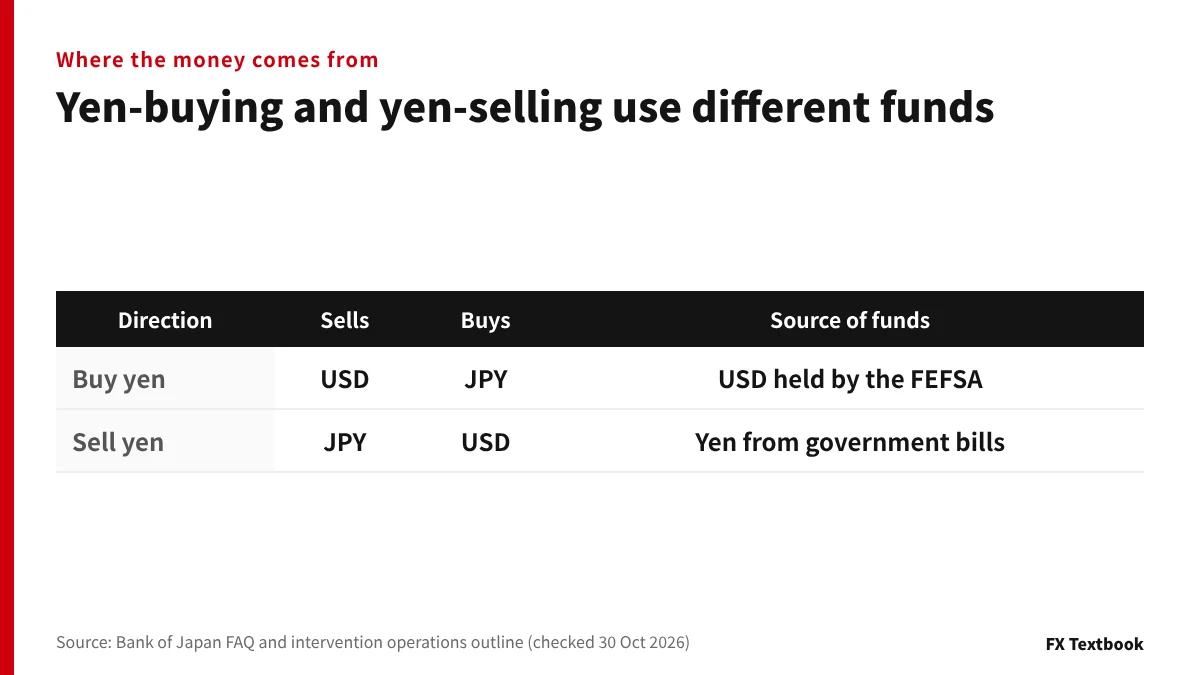
An intervention is a trade between two currencies. The currency being sold comes from the FEFSA, which the MOF manages.
- Against a sharp yen fall: the FEFSA sells dollars it holds and buys yen
- Against a sharp yen rise: the government issues financing bills to raise yen, then sells yen for dollars
Foreign currency acquired through intervention is invested in liquid assets such as government bonds.
Reserve balances are published monthly
The MOF publishes the month-end balance of foreign reserves early the following month. The figure covers foreign assets held by the FEFSA and the BOJ.
| As of | Foreign reserves | Published |
|---|---|---|
| End of April 2026 | USD 1,382,994 million (about USD 1.383 trillion) | 12 May |
| End of June 2026 | USD 1,287,476 million (about USD 1.287 trillion) | 7 July |
| End of September 2026 | USD 1,178,396 million (about USD 1.178 trillion) | 7 October |
※ Reserves include securities, deposits, gold and SDRs. The release does not explain the changes, so intervention amounts alone may not account for them.
Past interventions: dates and amounts from MOF data
The MOF publishes intervention data from April 1991 as a CSV file. Counting the daily records up to June 2026 gives 369 intervention days.
Japan bought yen on 42 days and sold yen on 321 days. The other 6 days did not involve the yen (German marks in 1991, Indonesian rupiah in 1997). After a yen purchase on 17 June 1998, the next one came 24 years later, on 22 September 2022.
| Date | Amount | Trade |
|---|---|---|
| 15 Sep 2010 | JPY 2.1249 trillion | Sold yen, bought USD |
| 18 Mar 2011 | JPY 692.5 billion | Sold yen, bought USD |
| 4 Aug 2011 | JPY 4.5129 trillion | Sold yen, bought USD |
| 31 Oct 2011 | JPY 8.0722 trillion | Sold yen, bought USD |
| 1-4 Nov 2011 | JPY 1.0195 trillion in total | Sold yen, bought USD |
| 22 Sep 2022 | JPY 2.8382 trillion | Bought yen, sold USD |
| 21 Oct 2022 | JPY 5.6202 trillion | Bought yen, sold USD |
| 24 Oct 2022 | JPY 729.6 billion | Bought yen, sold USD |
| 29 Apr 2024 | JPY 5.9185 trillion | Bought yen, sold USD |
| 1 May 2024 | JPY 3.8700 trillion | Bought yen, sold USD |
| 11 Jul 2024 | JPY 3.1678 trillion | Bought yen, sold USD |
| 12 Jul 2024 | JPY 2.3670 trillion | Bought yen, sold USD |
| 30 Apr 2026 | JPY 6.2787 trillion | Bought yen, sold USD |
| 4 May 2026 | JPY 780.2 billion | Bought yen, sold USD |
| 6 May 2026 | JPY 4.6759 trillion | Bought yen, sold USD |
※ The MOF notes that daily figures are rounded and may not add up to the total. The three 2026 days add up to JPY 11.7348 trillion, JPY 100 million less than the April to June total of JPY 11.7349 trillion.
The largest single day was 31 October 2011, at JPY 8.0722 trillion. For yen purchases, the largest was 30 April 2026, at JPY 6.2787 trillion.
Interventions on Japanese public holidays
3 November 2011, 29 April 2024, 4 May 2026 and 6 May 2026 were all public or substitute holidays in Japan. Intervention has taken place even when the Tokyo market was closed.
USD/JPY around an intervention day (BOJ figures)
The BOJ's Tokyo 5 pm USD/JPY rate was 160.14 yen on 30 April 2026. On the next business day, 1 May, it was 156.62 yen, a difference of 3.52 yen.
The gap between two 5 pm readings includes trading other than the intervention. The high-to-low range in between cannot be narrower than this gap.
Recent interventions and when they are published
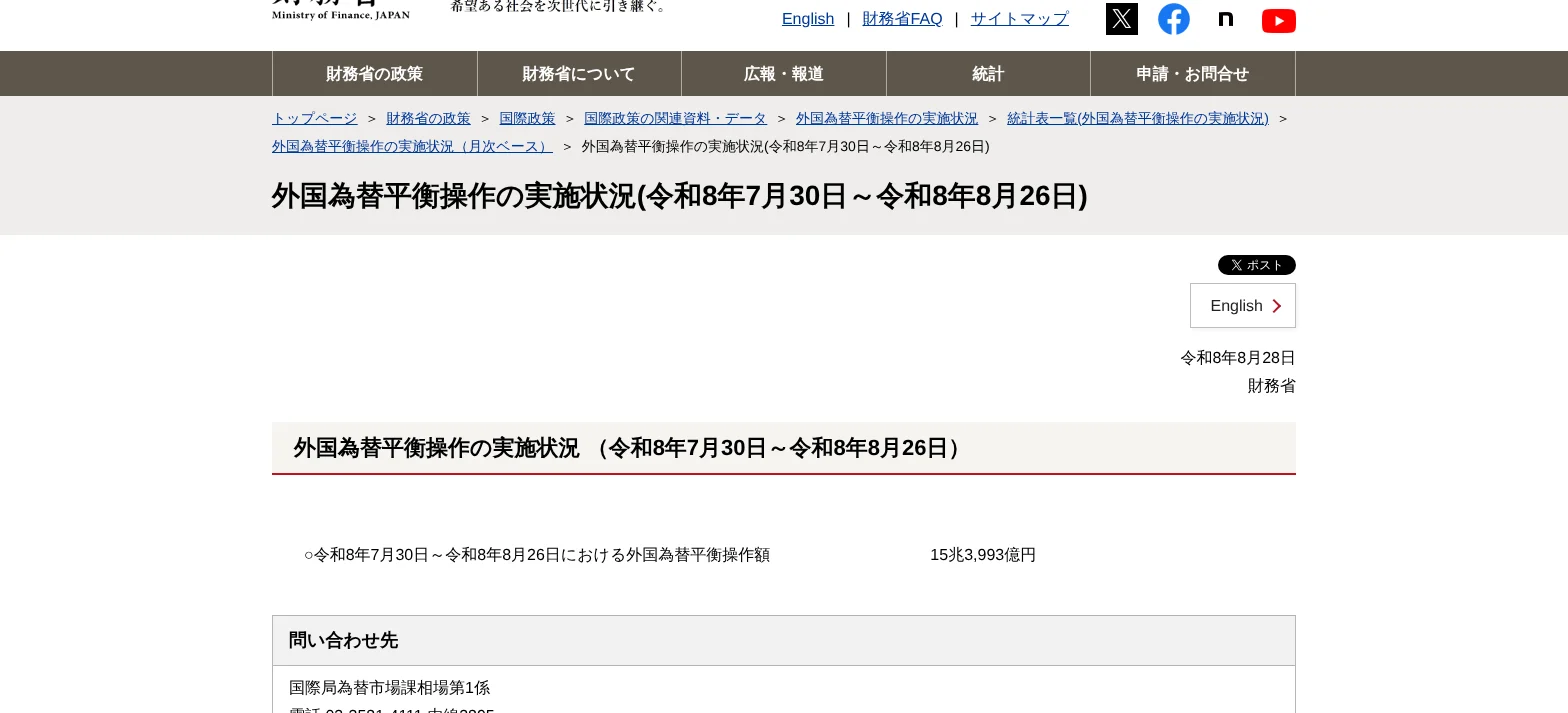
The monthly release shows only the total for the period. You have to wait for the quarterly daily data to see which days and which direction.
| Period (2026) | Amount | Published |
|---|---|---|
| 30 Mar - 27 Apr | JPY 0 | 30 April |
| 28 Apr - 27 May | JPY 11.7349 trillion | 29 May |
| 28 May - 26 Jun | JPY 0 | 30 June |
| 29 Jun - 29 Jul | JPY 0 | 31 July |
| 30 Jul - 26 Aug | JPY 15.3993 trillion | 28 August |
| 27 Aug - 28 Sep | JPY 0 | 30 September |
| 29 Sep - 28 Oct | Due 30 October at 7 pm | - |
The JPY 15.3993 trillion for 30 July to 26 August is the largest monthly total of 2026. The dates and direction will appear in the July to September daily data due on 2 to 9 November.
This article reflects the MOF page as checked on the morning of 30 October, before that release. We will update the table after the 7 pm monthly release and the November daily data. The MOF notes that its schedule may change.
How to check on the MOF page whether Japan intervened
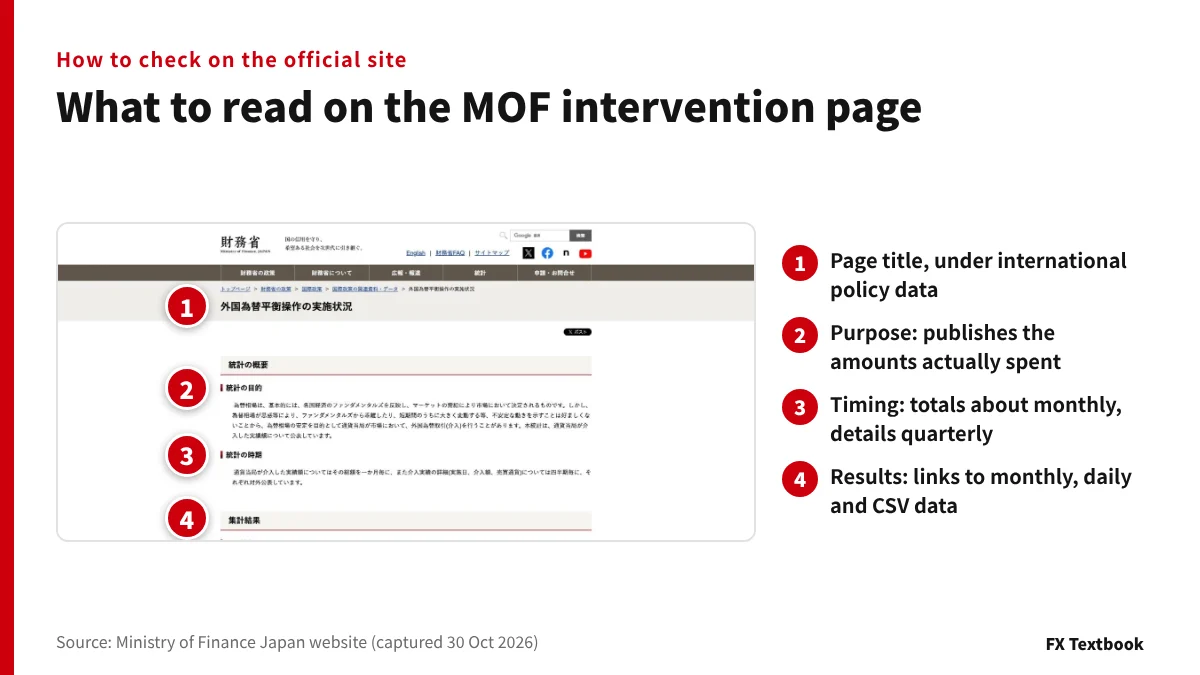
- 01Open the foreign exchange intervention page
It sits under the MOF's international policy data.
- 02Check the release schedule
Monthly figures are scheduled for 7 pm.
- 03Read the monthly total
JPY 0 means no intervention in that period. Any amount confirms that Japan intervened.
- 04Read the daily data for dates and currencies
The quarterly release shows dates, amounts and the currencies traded.
- 05Use the CSV for the full history
It covers everything from April 1991, in units of JPY 100 million.
News that Japan is believed to have intervened is not confirmed until the MOF publishes its figures.
Rate checks, verbal intervention and real intervention
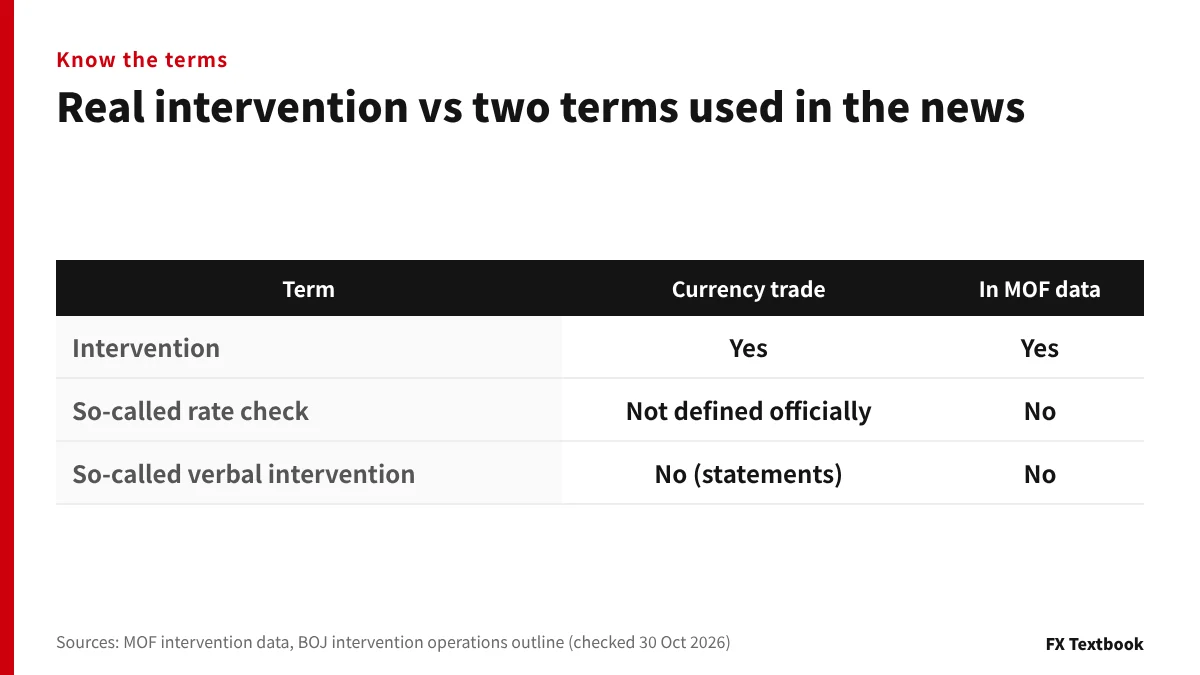
Rate check and verbal intervention are common terms in the news, but neither is defined on the MOF and BOJ pages we checked.
What the official pages do say is that the BOJ stays in close contact with market participants such as currency dealers and reports what it gathers to the MOF every day.
| Point | Real intervention | Remarks or enquiries |
|---|---|---|
| Money moves | Currency is traded with FEFSA money | No trade |
| Confirmed by | MOF monthly and quarterly releases | No confirming release |
| Where to read | MOF intervention data page | Press conference records and similar |
Neither the MOF nor the BOJ publishes a level at which it will intervene. We do not forecast intervention levels or prices either.
What can happen on an offshore FX account: spread, fills, stop-out
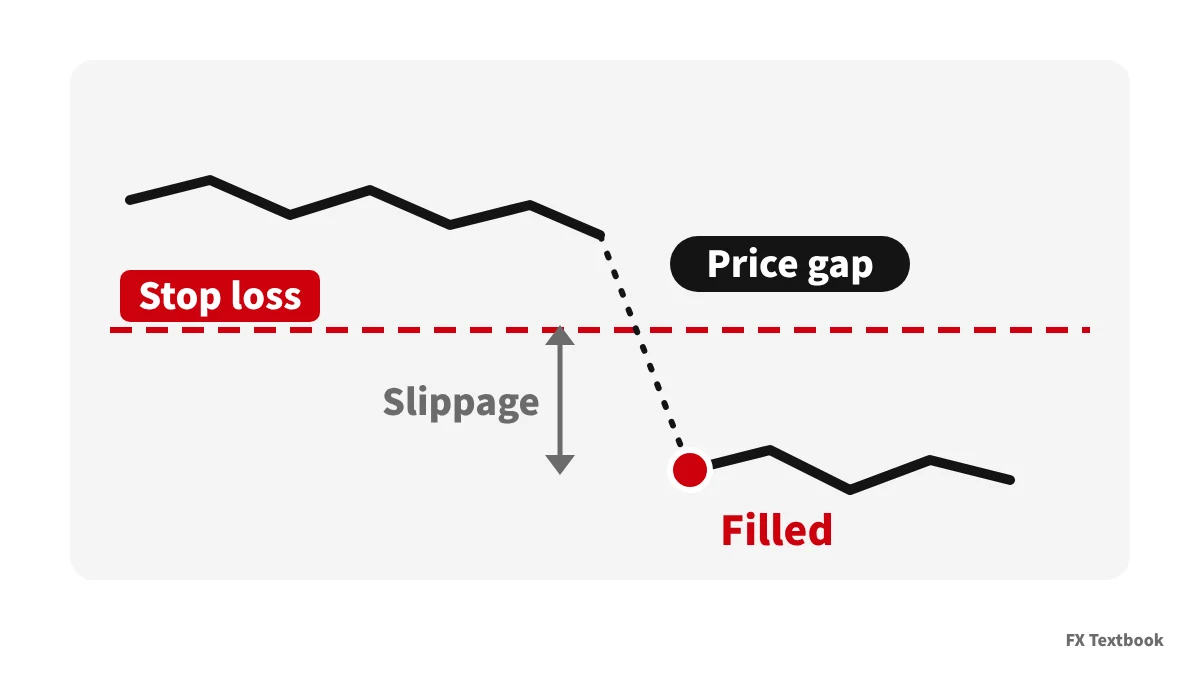
On an intervention day, prices can move a long way in a short time. Four things can happen on the account side.
| What can happen | Why | Official source |
|---|---|---|
| Spreads widen | Variable spreads change with market conditions | XS contract specs |
| Stops fill away from the set price | When price gaps, the close happens at a distant price | MT5 official help |
| Margin requirements rise | Brokers cap leverage during some periods | Exness help centre |
| Stop-out | Margin level falls below the broker's threshold | Broker account pages |
Spreads: variable spreads can widen
The XS contract specification page says spreads are variable and may widen when market liquidity falls.
HFM also describes all six of its accounts as variable spread (checked 26 September 2026). Published figures are averages or minimums, not the width on an intervention day.
Stops: no price guarantee, unlike limits
MetaTrader 5 help says a limit order fills at the set price or better. A stop loss is only an instruction to close once that price is reached.
If price jumps past your stop, the close can happen at the price it jumped to. MT5 help calls this gap slippage.
Stop losses run on the server and work with the platform closed. Trailing stops stop when the platform is closed (MT5 official help).
Margin: periods with lower leverage caps
Exness caps leverage on orders placed from 15 minutes before to 90 seconds after high-impact news (HMR). For forex the cap is 1:200.
The MOF publishes only past results, not intervention plans. Even so, Exness help says margin requirements can also rise temporarily depending on real-time market risk.
Exness safety and reputation: when leverage drops around news and weekends
Calculate the distance to a stop-out (hypothetical)
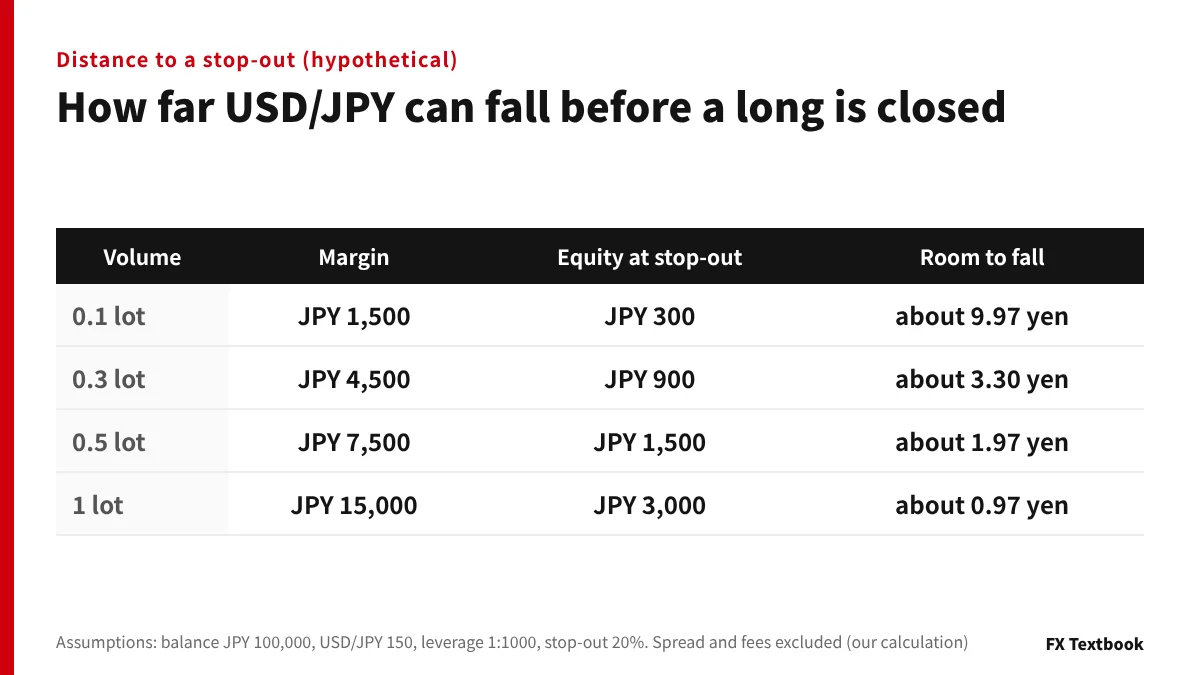
The distance to a stop-out depends on your balance, trade size and the broker's stop-out level. The table below uses hypothetical numbers.
| USD/JPY volume | P/L per 1 yen move | Room to move against you |
|---|---|---|
| 0.1 lot (USD 10,000) | JPY 10,000 | about 9.97 yen |
| 0.3 lot (USD 30,000) | JPY 30,000 | about 3.30 yen |
| 0.5 lot (USD 50,000) | JPY 50,000 | about 1.97 yen |
| 1 lot (USD 100,000) | JPY 100,000 | about 0.97 yen |
※ Spread, fees and swaps are excluded. One lot is treated as 100,000 units.
Working through 1 lot
- 01Required margin
USD 100,000 x 150 / 1,000 = JPY 15,000.
- 02Equity at stop-out
JPY 15,000 x 20% = JPY 3,000. The position closes at that level.
- 03Loss you can absorb
JPY 100,000 - JPY 3,000 = JPY 97,000 of floating loss.
- 04Convert to price
One lot moves JPY 100,000 per yen, so a move of about 0.97 yen triggers the stop-out.
Apply the 3.52-yen gap between the 5 pm readings on 30 April and 1 May. A long USD/JPY position of 0.3 lot or more would reach the stop-out level on paper.
When price gaps, the close price slips too, so the result can be worse than the calculation. Required margin also changes with account type and HMR.
Offshore FX stop-out calculation: margin level and broker thresholds
Zero cut: only the negative balance is covered
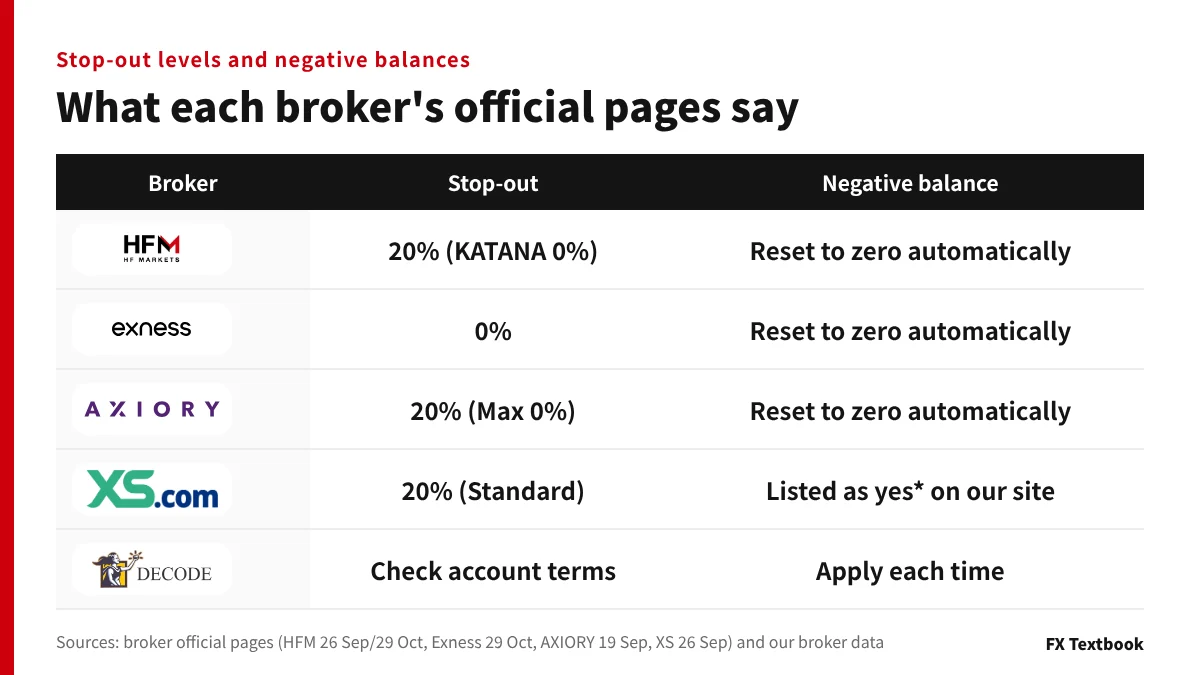
If price gaps and the stop-out cannot close in time, your balance can go negative. A zero cut means the broker absorbs that negative amount and resets the balance to zero. Money lost before the stop-out is not returned.
| Broker | Negative balance handling (official) | Checked |
|---|---|---|
| HFM | Reset to zero automatically when the balance goes negative | 29 October 2026 |
| Exness | Usually reset to zero automatically after a stop-out (D-null in history) | 29 October 2026 |
| AXIORY | Losses beyond the balance reset to zero automatically | 19 September 2026 |
| DecodeFX | An application is needed each time the account goes negative | Checked by us |
※ Our broker data lists XS as yes*. Each broker's terms take priority on conditions and exceptions.
Exness help advises against depositing before a negative balance is reset to zero. If you deposit first, recovering the lost amount requires a support request.
Under the terms of an AXIORY promotion, remaining credit is used to cover the loss when a zero cut applies. If your account holds credit, check the loss order in the terms.
What is zero cut? How it differs from margin calls and when it does not apply
Five things to check on your account when intervention is a risk
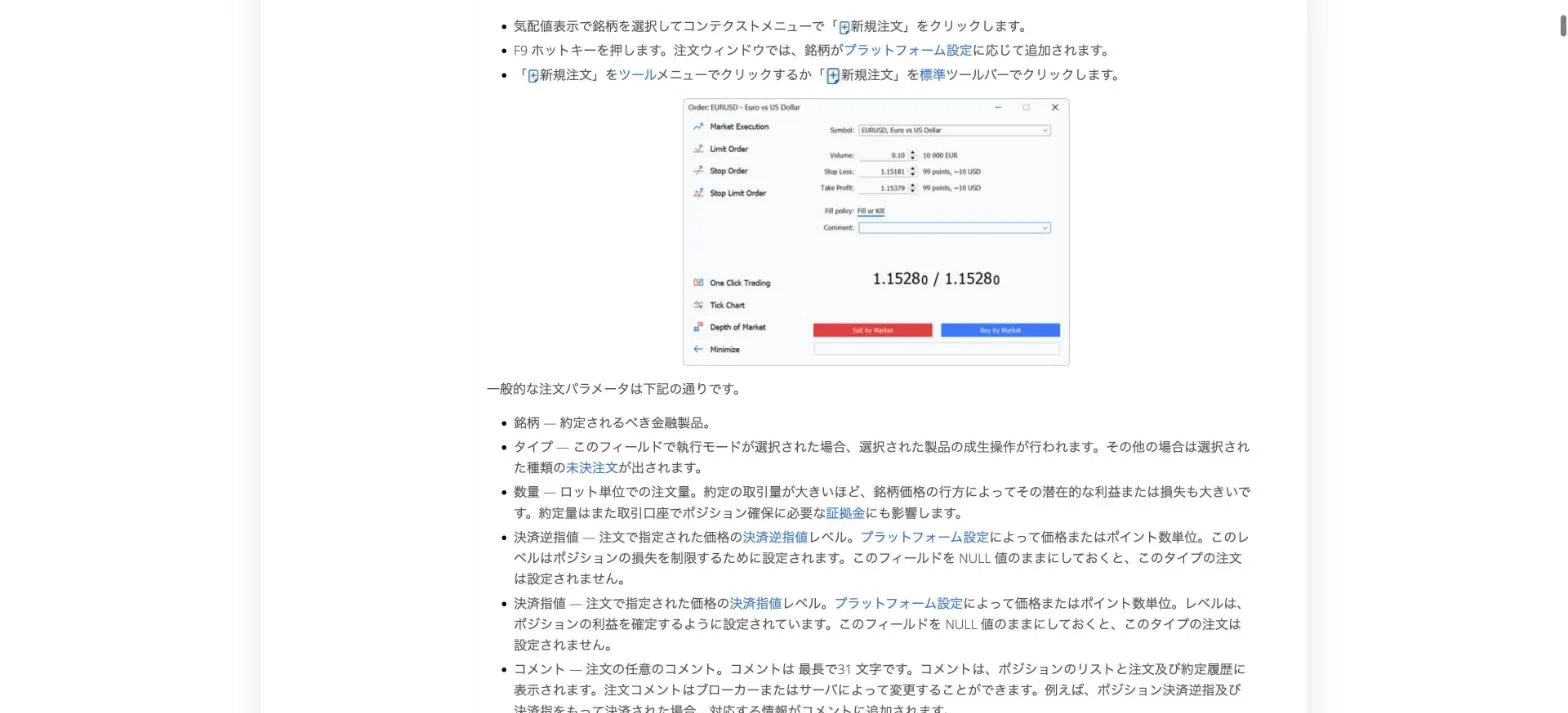
- 01Is a stop loss set?
Check the Stop Loss field in the order window. Left empty, no such order is placed (MT5 official help).
- 02Stop-out level
It differs by account type even at one broker. Check the figure for your account.
- 03Current leverage
If dynamic leverage or HMR lowers the cap, required margin goes up.
- 04Negative balance handling
Check on the official site whether it resets automatically or needs an application.
- 05P/L per 1 yen move
For USD/JPY, 0.1 lot is JPY 10,000 per yen. Size the trade against your balance.
XS dynamic leverage: HMR caps and the 20% stop-out
If you hold no yen pairs, checking the MOF monthly release is enough. If you hold yen pairs, set a stop loss and work out your P/L per 1 yen move first. If you trade with high leverage, check the stop-out level and zero cut rules on the broker's official site before opening an account.
FX and CFDs can lose part or all of the money you deposit.
Frequently asked questions
Q. What is a currency intervention in simple terms?
A. It is the state buying or selling currency in the market to calm sudden swings. The formal name is foreign exchange equalization operations.
Q. Does the Bank of Japan decide on intervention?
A. No, the Finance Minister decides. The BOJ carries out the trades on MOF instructions as the minister's agent.
Q. When do we find out whether Japan intervened?
A. The MOF publishes the total roughly monthly and the dates and amounts quarterly. A monthly total of JPY 0 means no intervention in that period; any amount confirms one.
Q. Did Japan intervene in 2026?
A. Yes. Japan bought yen on 30 April, 4 May and 6 May, JPY 11.7349 trillion in total. The total for 30 July to 26 August was JPY 15.3993 trillion, with dates due on 2 to 9 November. Figures for 29 September to 28 October are due at 7 pm on 30 October (checked that morning).
Q. How does a rate check differ from intervention?
A. An intervention is an actual currency trade that appears in MOF data. Rate check is a term used in the news and is not defined on the MOF and BOJ pages we checked.
Q. What should offshore FX traders watch on an intervention day?
A. Three things: wider spreads, slipped stops and stop-outs. When price gaps, a stop loss can fill well away from the set price. Size trades by your P/L per 1 yen move.
Q. With a zero cut, can I avoid losses from intervention?
A. No. A zero cut covers only the part of the balance that goes negative; money lost before the stop-out is not returned. Some brokers also require an application.
Q. Where does the money for intervention come from?
A. From the Foreign Exchange Fund Special Account managed by the MOF. To buy yen it sells the dollars it holds; to sell yen it uses yen raised with financing bills to buy dollars.
Sources and conditions
- Bank of Japan: What is a foreign exchange intervention? (in Japanese, checked 30 October 2026) →
- Bank of Japan: Outline of foreign exchange intervention operations (in Japanese, revised June 2023, checked 30 October 2026) →
- Bank of Japan: Intervention dates and amounts FAQ (in Japanese, checked 30 October 2026) →
- Bank of Japan: Time-series data, Tokyo USD/JPY spot at 5 pm (checked 30 October 2026) →
- Ministry of Finance Japan: Foreign exchange intervention operations (checked 30 October 2026) →
- Ministry of Finance Japan: Interventions April to June 2026 (checked 30 October 2026) →
- Ministry of Finance Japan: Interventions 30 July to 26 August 2026 (checked 30 October 2026) →
- Ministry of Finance Japan: All past intervention data, CSV (checked 30 October 2026) →
- Ministry of Finance Japan: International reserves, end of September 2026 (checked 30 October 2026) →
- Ministry of Finance Japan: Minister press conferences (checked 30 October 2026) →
- MetaQuotes: MetaTrader 5 help, performing trades (checked 30 October 2026) →
- MetaQuotes: MetaTrader 5 help, order types (checked 30 October 2026) →
- XS official: contract specifications, Standard account (checked 30 October 2026) →
- HFM official: trading accounts (checked 26 September 2026) →
- HFM official: security of funds (checked 29 October 2026) →
- Exness help centre: high margin requirements (HMR) (checked 30 October 2026) →
- Exness help centre: negative balance protection (checked 30 October 2026) →
FX Textbook is an independent information site, not a broker or provider of personal investment advice. Forex and CFDs involve risk. You may lose some or all of your invested capital. No trading result is guaranteed.
NEXT STEP
Compare stop-out and zero cut rules broker by broker.
Leverage, stop-out levels and zero cut handling for every listed broker, on one page.
Brokers covered in this column
Account types, trading conditions and current offers are on each broker page.